
Building Resilient Teams
- November 12, 2025
- Posted by: Kateryna Kudrenko
- Category: CEO Blog
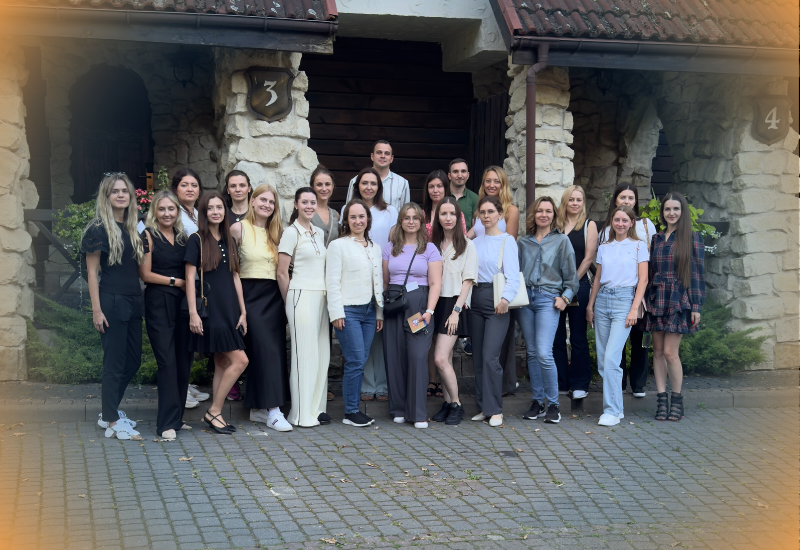
How training, real connection, and shared values create stronger, more resilient teams
Kate Kudrenko discusses a recent training CKH Group’s Ukraine team attended about resilience, explaining both the Kauai Longitudinal study and the six keys to resilience. She ties this into how CKH conducts themselves to build resilient teams.
“This past quarter, our team at CKH Group in Ukraine completed a full-day resilience training session. Yes, eight hours dedicated to learning how to better support ourselves, each other, and our teams in high-pressure environments.
This wasn’t a typical workshop. It wasn’t about surface-level coping mechanisms, standard inspirational quotes, or performance hacks. It was thoughtful, grounded, and, at times, deeply personal. We explored what it truly takes to navigate stress, bounce back from adversity, and grow through challenges, which is crucial to fostering both healthy work environment and encouraging personal growth in our employees.
It was our first ever multi-day offsite for that specific team, and we had people coming in from several countries. We combined soft-skills training with team bonding (and quite a few very competitive rounds of desktop games!).
There’s something special about being together in the same space, away from the usual routine. Over two days, we gained a better understanding of each other’s personalities, perspectives, and strengths. Inside jokes were formed, stories were shared, and small moments of connection helped solidify trust in ways that Zoom never could.
So, let’s break down what we learned.
The Kauai Longitudinal Study
One of the key studies we discussed during this training was the Kauai Longitudinal Study, a fascinating piece of research by psychologist Emmy Werner that tracked children born in 1955 on the island of Kauai. Many of these kids grew up in extremely difficult circumstances: unstable homes, poverty, and lack of access to basic support systems. However, about one-third of them went on to lead healthy, successful lives, regardless.
So, what differentiated those kids? It wasn’t luck. The resilient group had several common trends that worked powerfully in their favor:
- One stable, caring adult (a teacher, grandparent, or mentor who believed in them)
- A sense of purpose or direction
- Community engagement
- Emotional regulation
- And the ability to reframe setbacks as growth opportunities
The takeaway was clear: resilience can be developed. It’s not a fixed trait or luck but something we can foster in ourselves and in others, especially in the workplace.
This realization reinforced this idea of team bonding and building: resilience is a shared experience. You don’t build it alone. You build it in teams, in conversation, and in community. There is extraordinary value in developing your employees as a team, as people- and not just the hard technical skills that get the job done.
Six Elements of Resilience
Aside from the Kauai Longitudinal Study, the session helped us break resilience down into six key areas, each of which can be strengthened with practice, support, and awareness:
1. Health
Resilience starts with the basics: physical health, mental well-being, and energy management. If you’re not taking care of your body or mind, it’s incredibly difficult to show up consistently for your team or your goals.
2. Self-Regulation
We spent time reflecting on how we react in difficult situations, especially when things don’t go according to plan. The ability to pause, assess, and respond with self-awareness (instead of reacting impulsively) is a crucial skill, especially in leadership and team environments. Blowing up at the slightest challenge or yelling at teammates can exacerbate the problem, which is why self-regulation is key.
3. Meaning and Critical Thinking
When people understand the “why” behind what they’re doing, they can stay focused and motivated, even when work gets hard. Meaning also fuels better decision-making and resilience in the face of setbacks.
4. Connection
Strong relationships are one of the most protective factors against burnout and disengagement. We practiced active listening, empathy, and identifying each other’s strengths. As seen in Kauai Longitudinal study, having one stable and caring adult set kids up for resilience. This means people thrive when they feel seen, supported, and valued.
5. Vision
Resilience increases when we have something to move toward. Having a clear picture of where you’re headed, whether personally or professionally, helps people stay grounded when things get messy. This goes hand in hand with identifying your why. It is important for the team to know where you are going and why.
6. Perseverance
We closed with a conversation about perseverance. Showing up day after day, making progress even when it’s slow, and staying aligned with long-term goals even when short-term obstacles appear.
While each one of these alone can grant someone a resilient edge, they don’t exist in isolation. They build on one another. And when developed across a team or organization, they create the foundation for trust and long-term success.
Resilience is not just about reacting to setbacks. It’s about creating an environment where people can take risks, try new things, and grow, without fear of collapse when things get challenging. It’s about developing space for resilience, sharpening those tools, rather than relying on luck.
That’s what we’re working to build at CKH: a team that can thrive even when the path ahead isn’t perfectly clear. And that’s the commitment, support, and trust we bring to our clients. When our team grows stronger, so does the quality and consistency of the work we do for others.” -Kateryna Kudrenko
The above article only intends to provide general information and reflection. It is not designed to provide specific advice or recommendations for any individual. It does not give personalized tax, financial, or other business and professional advice. Before taking any form of action, you should consult a financial professional who understands your particular situation. CKH Group will not be held liable for any harm/errors/claims arising from the blog. Whilst every effort has been taken to ensure the accuracy of the contents, we will not be held accountable for any changes that are beyond our control.
About the Author
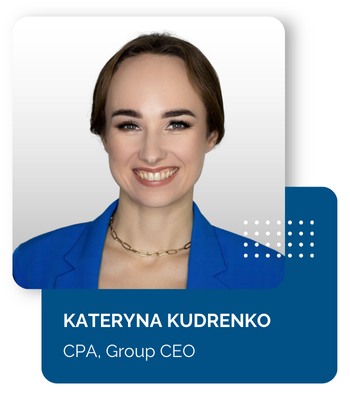
Kate Kudrenko has 15 years of experience in M&A, tax accounting, and compliance and holds a CPA in the state of Georgia. Since joining CKH in 2016 Kate has been involved in every area of CKH business. In 2025 she was promoted to the role of Chief Executive officer, where she is responsible for day-to-day operations, strategic execution, and overall leadership of CKH Group. This blog was written by and is the candid reflections of Kate Kudrenko